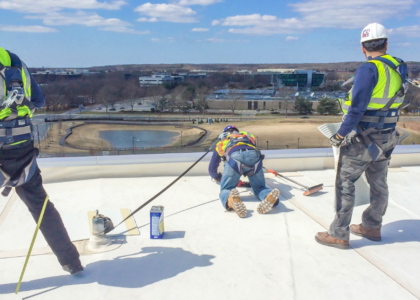

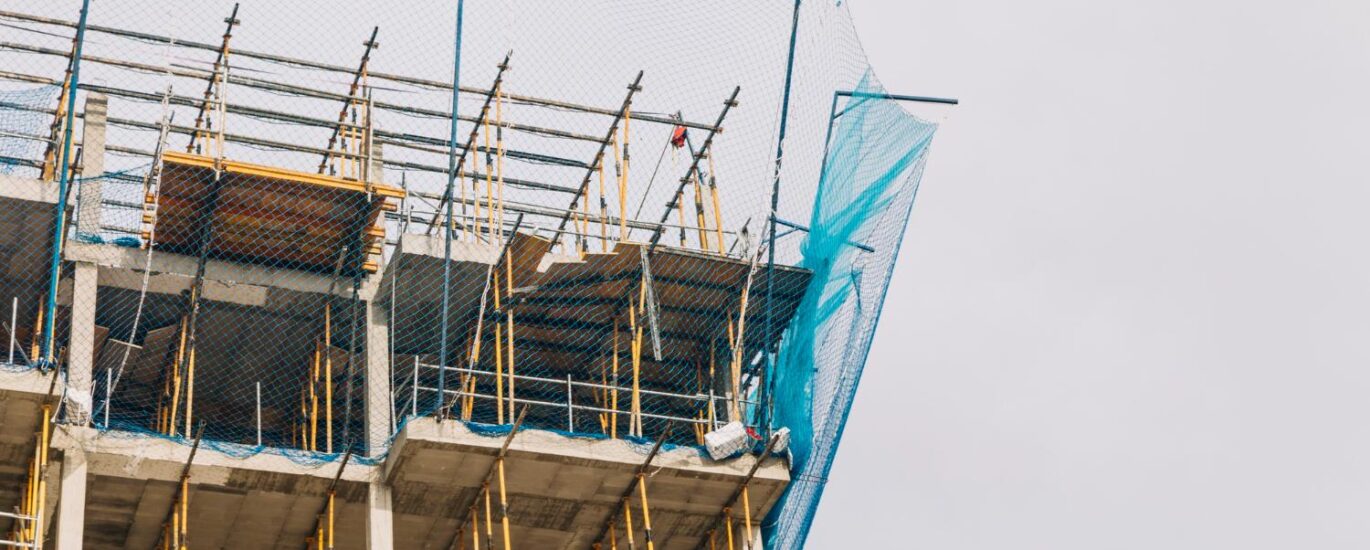
The construction industry is one of the most dangerous sectors globally, accounting for nearly 20% of worker fatalities annually. Preventing accidents is not just a matter of compliance—it’s a moral obligation. Safety net protection plays a vital role in minimizing risks and ensuring worker safety during construction. This blog emphasizes why integrating this system is essential for every commercial, residential, or industrial project, while spotlighting best practices, such as safety net installation, to maximize its effectiveness.
The Role of Safety Net Protection in Construction
Construction inherently involves height and heavy machinery, creating a high-risk environment. Safety net protection reduces the potential for injuries related to falls, one of the leading causes of fatalities in the industry. By forming a physical barrier, these nets catch debris and falling workers, effectively minimizing injuries.
Statistics underscore its importance: according to OSHA, fall protection systems, when used properly, can reduce fatal falls by up to 75%. Construction projects that implement safety net systems early in the project lifecycle are better equipped to meet safety standards while prioritizing workers’ well-being.
Benefits of Proper Safety Net Installation
While critical to worker safety, these systems are only as effective as their installation. Ensuring safety net installation adheres to local construction laws and safety guidelines is non-negotiable. Poor installation can lead to system failures, jeopardizing lives and exposing companies to liability risks.
Professionally installed nets offer several benefits:
- Enhanced protection: Proper installation reduces gaps and structural weaknesses.
- Durability: High-quality net materials can withstand extreme conditions, including winds and debris impact.
- Compliance: Adherence to OSHA requirements boosts credibility and avoids costly fines.
Case Study: How Safety Net Protection Saved Lives
Consider a 2021 infrastructure project in California where construction workers were tasked with operating at heights over 60 feet above ground. A comprehensive safety net installation was completed before anyone began working on scaffolding or elevated platforms. Over the two-year period, this fall protection system intercepted multiple falling tools, prevented injuries, and safeguarded workers during unforeseen mishaps such as strong winds. Post-implementation surveys revealed heightened worker confidence, resulting in improved productivity.
This case highlights how prioritizing safety measures positively impacts both human lives and project outcomes.
Conclusion: Safety Nets—A Non-Negotiable Investment
In construction, safety shouldn’t be an afterthought. Safety net protection is essential to address the risks posed by working at heights, falling debris, and unpredictable weather conditions. With proper safety net installation, businesses can ensure compliance, reduce liability, and create a safer environment where employees feel secure. Investing in these systems isn’t just wise—it’s vital to modern construction standards.